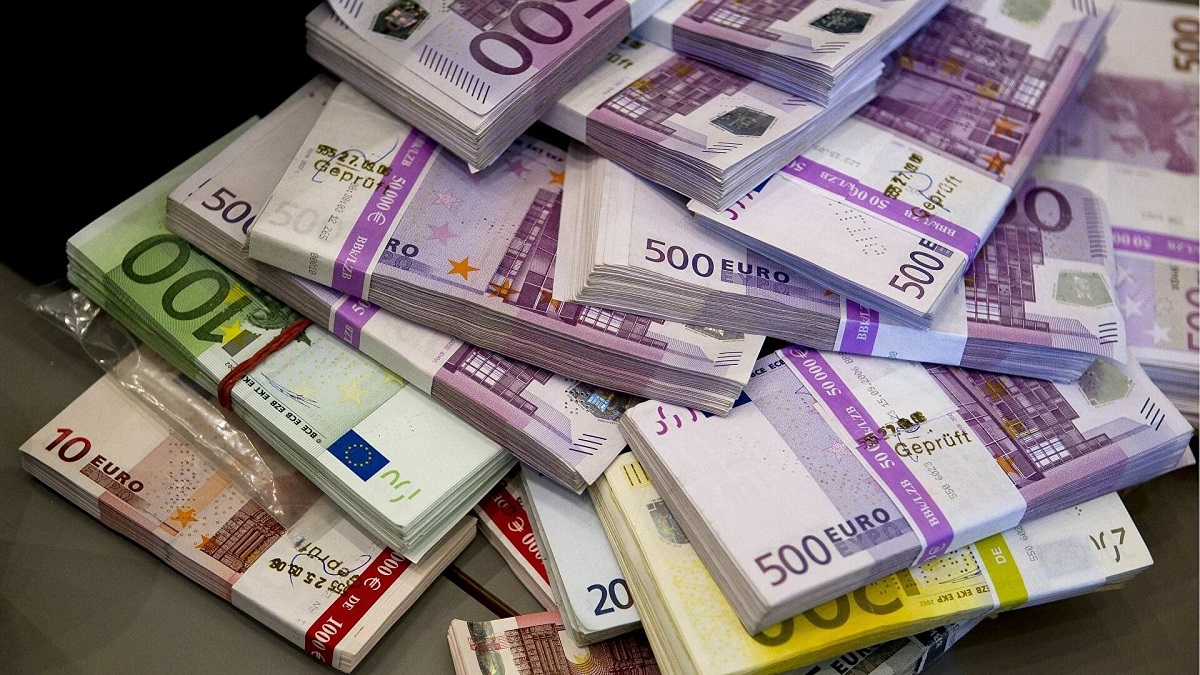
Your Family Will Be Grateful For Getting This High Quality Fakes
High-Quality Fakes: The Intricacies of Authenticity in the Modern Marketplace
In a period specified by quick globalization, online shopping, and the democratization of luxury, the introduction of high-quality fakes has actually ended up being a significant phenomenon. As customers progressively look for status signs at available prices, counterfeit items— particularly those crafted with exceptional ability— have gained traction. This short article digs into the world of high-quality fakes, exploring their ramifications, the industries most impacted, and the ethical considerations they raise.
Comprehending High-Quality Fakes
High-quality fakes describe counterfeit items that are designed to carefully simulate the look, performance, and even branding of real high-end items. Unlike lower-quality knockoffs that are typically identified by their apparent imperfections, high-quality fakes can be so convincingly produced that they may quickly pass as authentic to the untrained eye.
Qualities of High-Quality Fakes:
- Material Quality: These fakes often make use of materials that carefully look like or replicate those utilized in real products, making them aesthetically appealing and difficult to distinguish from originals.
- Workmanship: Skilled artisans might craft these items with precision, honing in on the information that set the designer products apart from substandard copies.
- Limited Editions: Some counterfeiters make use of the appeal of limited editions, producing fakes in small quantities to improve their desirability.
- Branding Techniques: High-quality fakes are frequently branded using advanced strategies, leading customers to think they are buying genuine merchandise.
The Industries Most Affected
The marketplace for high-quality fakes is not restricted to any specific sector; however, a few markets are particularly susceptible:
Luxury Fashion: Throughout the years, luxury style brand names have faced a barrage of counterfeiting, from purses to shoes and garments. With customers increasingly spending plans in mind, high-quality fakes are appealing alternatives to authentic products.
Fashion jewelry: Counterfeit precious jewelry, specifically replicas of iconic pieces from popular houses, can be nearly identical from the real thing. These fakes posture difficulties for customers who might struggle to identify the difference.
Customer Electronics: With the constant advancement of technology, fake variations of popular gadgets, especially mobile phones, have surfaced. These devices typically include similar styles but might compromise on quality or performance.
Art and Collectibles: The art market deals with significant concerns with forgeries, with some fakes gathering high rates regardless of doing not have authenticity. Online Shop Für Falschgeld confront problems relating to the provenance of their pieces.
The Impact on Consumers and Brands
While the allure of high-quality fakes may be alluring to some consumers, it's important to think about the ramifications of purchasing such items.
Pros for Consumers:
- Affordability: High-quality fakes provide a more economical option for consumers who want to delight in luxury products without paying premium prices.
- Trendy Options: Counterfeit products typically imitate the most recent trends, permitting consumers to remain trendy without significant financial investment.
Cons for Consumers:
- Lack of Authenticity: Purchasing a high-quality fake might result in feelings of guilt or deception, particularly for customers who value brand name integrity.
- Quality Risks: While some fakes are high quality, others may not fulfill safety standards or offer the toughness related to authentic products.
Influence on Brands:
- Profit Loss: Luxury brands experience considerable earnings losses due to counterfeit products damaging their market share.
- Brand Equity: The expansion of high-quality fakes can water down a brand's value and contributions to its unique identity within the market.
Browsing the Terrain: How to Spot High-Quality Fakes
For customers thinking about acquiring authentic items, being able to recognize high-quality fakes is important. Here are some tips:
Research the Brand: Familiarize yourself with the brand, its worths, and its design components. Well-informed customers are less most likely to succumb to counterfeit items.
Examine Materials: Authentic high-end items frequently utilize exceptional materials. If something feels off, it might not be genuine.
Look for Certification: Reputable brand names frequently provide certifications or authenticity cards with their products. These can be useful in validating an item's authenticity.
Purchase from Trusted Sources: Stick to licensed sellers or main websites to lessen the risk of acquiring a high-quality fake.
Take Note of Pricing: If the deal appears too excellent to be true, it likely is. Watch out for rates significantly lower than those of confirmed retailers.
Ethical Considerations
The increase of high-quality fakes comes up with ethical concerns surrounding consumer rights, brand ownership, and creative flexibility. Some argue that customers can access the high-end market at their monetary discretion. On the other hand, others highlight the value of supporting real craftsmanship and creativity.
Questions to Consider:
- Can high-quality fakes contribute favorably to a more fair market?
- How do high-quality fakes challenge the conventional ideas of worth and luxury?
- Is it ethical to welcome counterfeit culture in a world where originality is being progressively questioned?
FAQs
Q1: Are high-quality fakes prohibited?
A: Yes, producing and selling counterfeit products is unlawful in a lot of jurisdictions as it breaks intellectual property rights.
Q2: What should I do if I unwittingly purchased a high-quality fake?
A: Contact the seller to discuss a return, and consider reporting the problem to the suitable authorities or trade companies.
Q3: How can I support brands affected by counterfeit items?
A: Opt to buy straight from authorized merchants, advocate for awareness relating to counterfeiting, and assistance anti-counterfeit campaigns.
Q4: Are high-quality fakes always of lower quality than originals?
A: Not always. Some high-quality fakes are crafted with terrific skill and can match the look of genuine items, though they may lack the resilience and workmanship of real products.
High-quality fakes provide a complicated crossway of customer desire, brand principles, and economic truths. As this phenomenon continues to unfold, it is necessary to browse this landscape with awareness and understanding. Both customers and brand names must face the effects— both favorable and negative— of this burgeoning market. In a world progressively formed by imitations, the pursuit of authenticity becomes ever more vital.